
In today’s globalized marketplace, trade shows and exhibitions are more than just business platform, they are opportunities for companies to connect with audiences across diverse cultural landscapes. One key element that determines success at these events is exhibition booth construction strategy. While branding and design trends play a role, cultural factors often have the greatest influence on how a booth is perceived and experienced by visitors.
This article explores how cultural differences impact exhibition booth construction strategies, with examples from different regions to help brands plan more effectively.
1. Design Aesthetics Aligned with Local Culture
Every culture has unique design preferences that affect booth appeal.
- In Japan, minimalism, clean lines, and subtle color palettes reflect values of simplicity and precision.
- In India, bold colors, elaborate designs, and large-scale visuals resonate with audiences who appreciate vibrancy and energy.
- In Middle Eastern markets, luxury materials and intricate details highlight prestige and hospitality.
Understanding these preferences ensures that booth design feels authentic and culturally relevant.
2. Color Psychology and Symbolism
Colors carry different meanings across cultures, and misinterpretation can impact brand perception.
- In China, red symbolizes luck and prosperity, making it a popular choice for booths.
- In Western cultures, blue is associated with trust and professionalism.
- In Indonesia and Southeast Asia, gold often represents wealth and success.
By aligning booth color schemes with cultural symbolism, brands create stronger emotional connections with visitors.
3. Space Utilization and Layout
Cultural attitudes toward space influence booth layout strategies.
- In Western countries, open and interactive layouts encourage casual conversations.
- In Asian cultures, semi-private or partitioned areas may be preferred for formal discussions.
- In Middle Eastern exhibitions, hospitality spaces with seating arrangements for tea or coffee are considered essential.
Recognizing these cultural nuances ensures booth layouts support visitor comfort and engagement.
4. Communication Styles and Engagement
How booth staff interact with visitors also reflects cultural expectations.
- In high-context cultures (e.g., Japan, Korea), subtle cues, politeness, and indirect communication are valued. Booth designs may include calm meeting areas that support formal discussions.
- In low-context cultures (e.g., the U.S., Australia), direct and bold communication is more effective. Booths often highlight clear messaging, demos, and open engagement zones.
Booth construction strategies should consider spaces that support the communication styles of target audiences.
5. Incorporating Local Traditions and Identity
Incorporating traditional art, motifs, or cultural elements into booth design can strengthen connections with local audiences. For instance:
- Using bamboo or natural materials in Southeast Asia.
- Integrating traditional patterns in Middle Eastern or African markets.
- Showcasing regional symbols to reflect respect for the host culture.
When done thoughtfully, cultural integration enhances brand credibility and memorability.
6. Technology and Cultural Adaptation
While digital innovation is a global trend, cultural factors affect technology adoption.
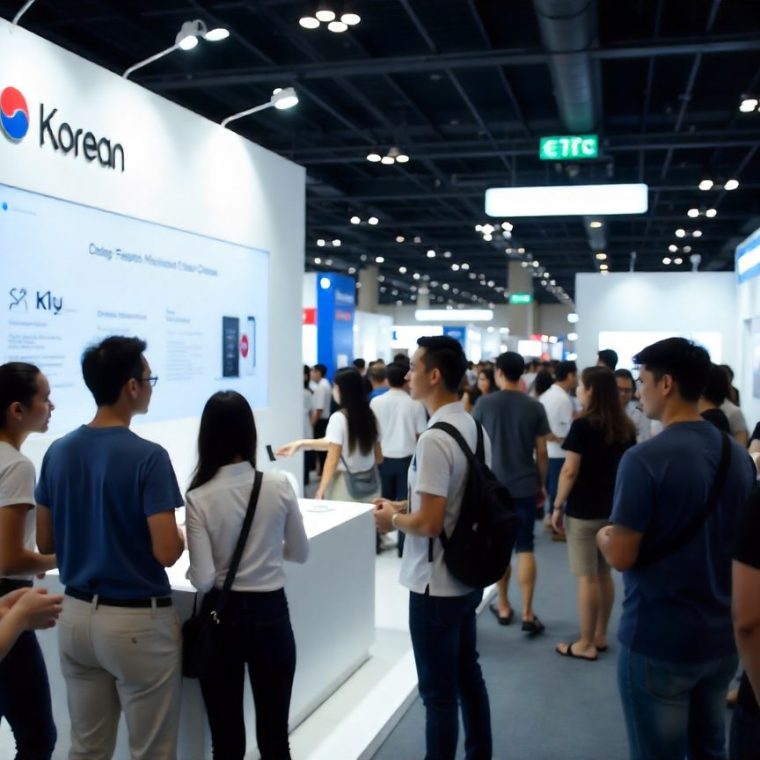
- In tech-driven markets like South Korea or Singapore, interactive touch screens, AR/VR demos, and LED displays are highly engaging.
- In regions where personal interaction is more valued, technology is often balanced with face-to-face hospitality elements.
Booth construction strategies must blend innovation with cultural expectations for maximum impact.
Cultural factors play a decisive role in shaping exhibition booth construction strategies. From colors and design aesthetics to layout, communication, and technology, every cultural detail influences how a booth resonates with visitors.
For brands expanding into global exhibitions, understanding cultural diversity is as important as following design trends. By aligning booth construction with local traditions and visitor expectations, businesses can create memorable experiences that foster trust, engagement, and long-term brand success.