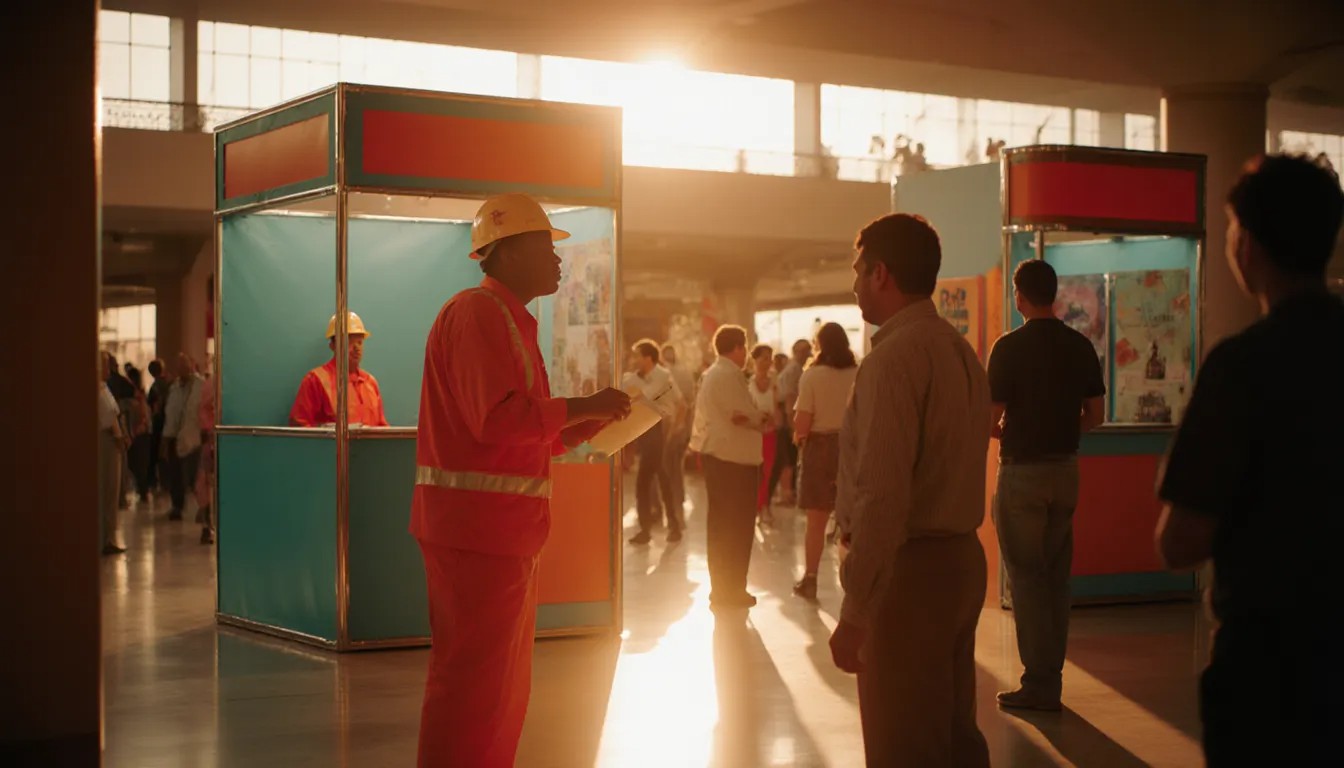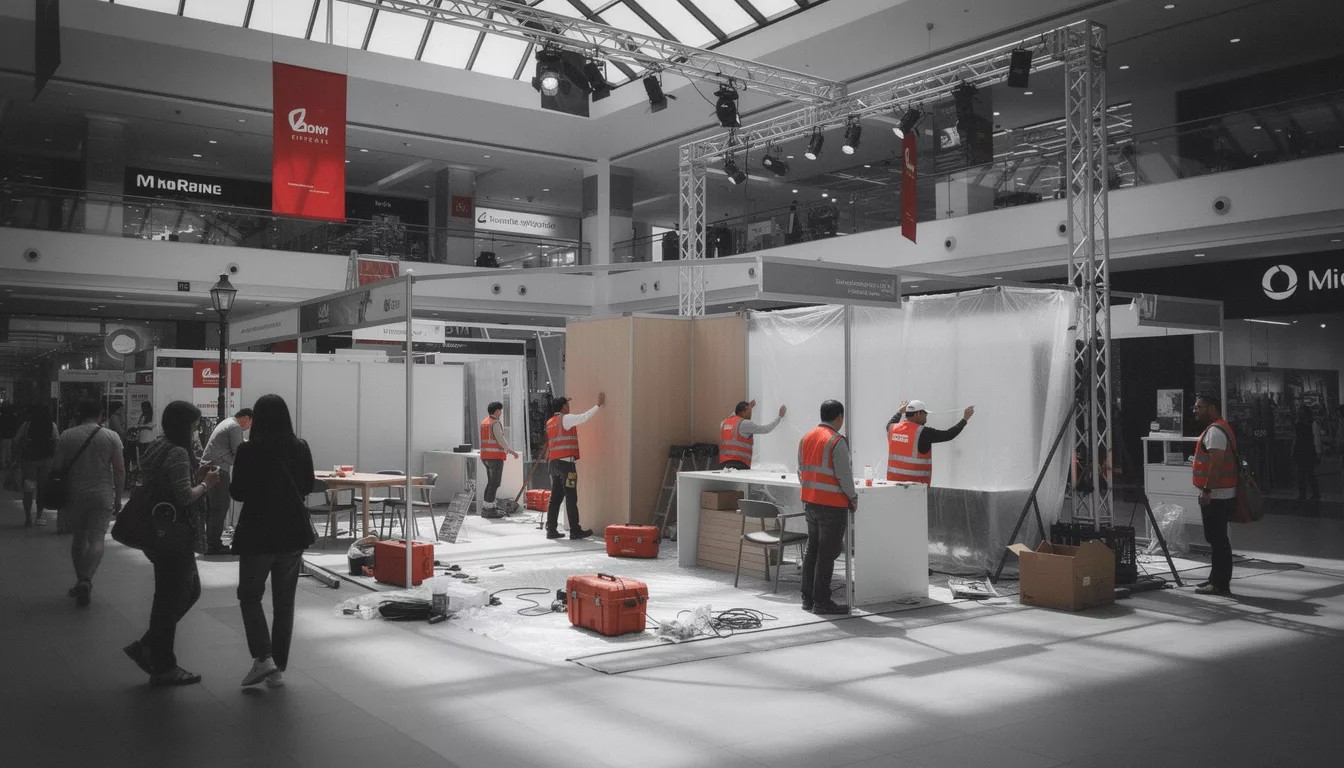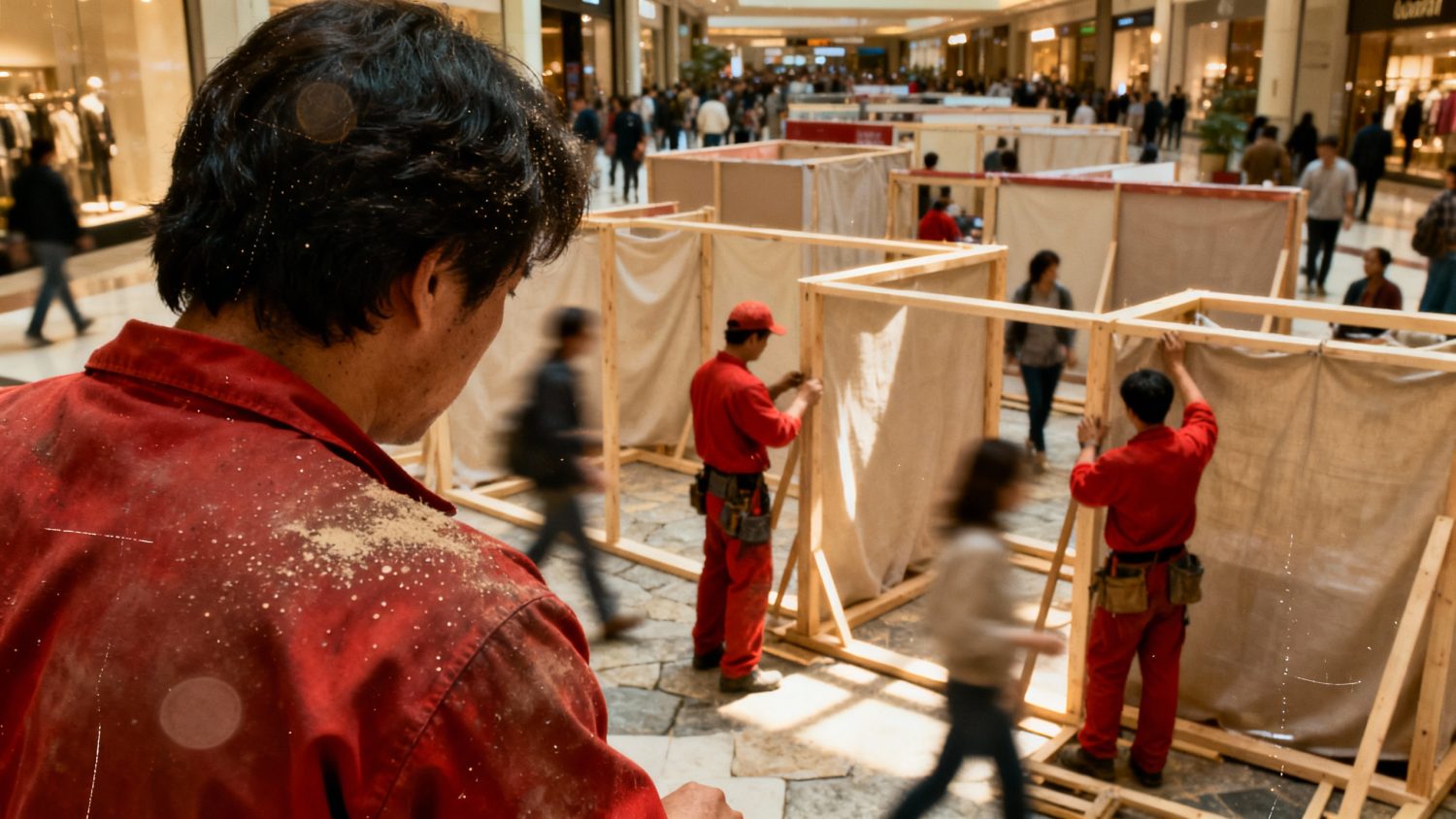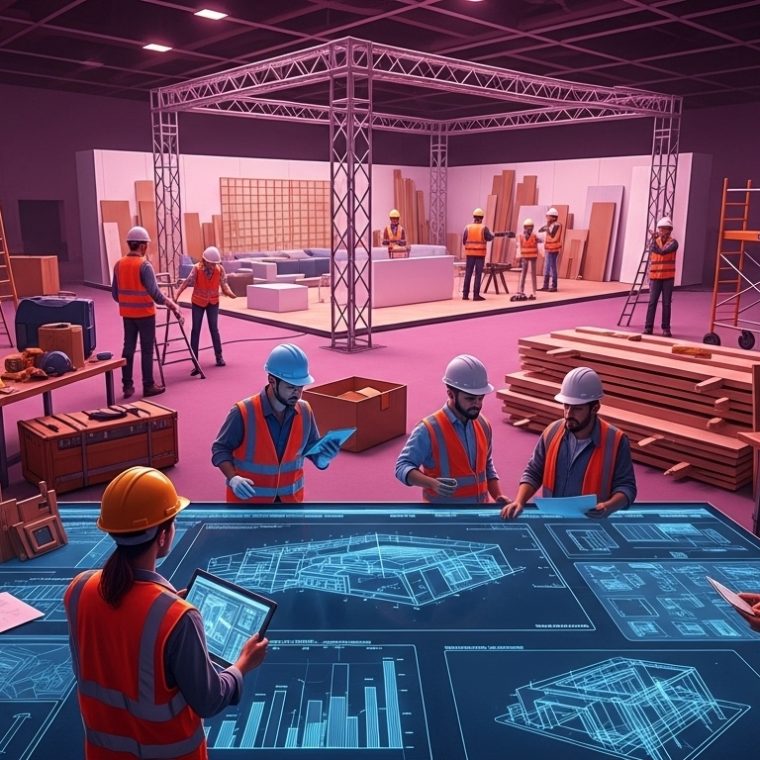

Understanding Exhibition Booth Layouts for Better Visitor Engagement – The success of a booth is not solely determined by the products or services offered, but also by how effectively the layout is designed. An effective layout can influence how visitors interact with the brand, increase the time they spend at the booth, and even encourage them to take specific actions such as trying out a product, asking questions, or making a purchase. A booth layout encompasses the strategic arrangement of product displays, decorations, furniture, and interaction areas, all aimed at attracting attention, facilitating communication, and creating a positive experience for visitors. This article explores how to design an effective booth layout to enhance visitor experience and strengthen the success of a brand’s exhibition campaign.
Key Aspects to Consider in Designing an Exhibition Booth Layout
- Analyze Foot Traffic
Analyzing foot traffic involves observing and understanding how visitors move throughout the exhibition space and interact with the booth. This insight is essential for identifying high traffic zones and optimizing layout placement accordingly. By mapping out visitor movement patterns such as the most commonly used entry points, bottlenecks, or areas where visitors tend to linger, exhibitors can strategically position key elements like product displays, information counters, or interactive zones to maximize visibility and engagement. A well informed layout based on foot traffic analysis ensures that no area is underutilized and that visitors naturally flow through the booth in a way that enhances their experience while increasing the chances of meaningful interactions.
- Efficient Spatial Design
Maximizing space efficiency is essential for boosting visitor engagement. This involves arranging all booth elements to make optimal use of the available area so that visitors can move around easily, interact with displays or information, and feel comfortable during their visit. An efficient layout emphasizes functional and strategic organization, allowing every corner of the booth to serve a purpose. This includes the selection of furniture, display placement, and zoning for various activities. Optimizing every inch of the booth helps deliver a positive experience and effectively conveys the brand’s message, which ultimately increases visitor engagement.
- Visually Engaging
A visually engaging booth captivates visitors at first glance and invites them to explore further. This involves the strategic use of visual elements such as color schemes, lighting, typography, and graphics to create an appealing and immersive environment. Every visual component should reflect and reinforce the brand’s identity, ensuring a cohesive look and feel that communicates professionalism and credibility. Consistent branding not only builds trust but also helps visitors quickly understand the core message and values of the brand. Beyond static visuals, the use of dynamic visual media such as digital displays, motion graphics, or LED installations can significantly enhance the visitor experience. These elements grab attention, convey information more interactively, and deepen emotional engagement. When executed effectively, a visually engaging booth doesn’t just look attractive it becomes a powerful storytelling tool that connects with visitors on a meaningful level.
- Smart Interactive Features
The booth layout should support interactive features that draw visitors in. This includes arranging spaces that encourage visitor participation, such as product demonstration areas, discussion zones, and the use of interactive technology. Examples include touchscreen displays, interactive digital content, augmented reality (AR), virtual reality (VR), and other elements that allow visitors to engage directly with the products or information on display. The aim is to significantly enhance visitor engagement and create a memorable experience. This active participation increases brand awareness, generates interest in the products or services, and can even lead to higher conversion rates.
- Comfort Meets Function
Ensuring visitor comfort within the booth layout is key to driving better engagement. Comfort must be a priority in space planning. This includes a well organized layout, sufficient walking space, designated rest areas, appropriate lighting, and clear signage. A comfortable environment creates a positive experience that encourages interaction and engagement. When visitors feel at ease, they are more likely to spend more time at the booth and engage more deeply with the offerings.
The Function of Layout in an Exhibition Booth
- Creating a Smooth Visitor Journey
The layout of an exhibition booth plays a crucial role in shaping a smooth and engaging visitor journey. This journey determines how visitors move through the space, interact with the brand, and absorb information. With a well planned design, visitors can easily navigate the booth, find the information they are seeking, and interact with the products or services on display. An effective layout includes clearly marked entry and exit points, strategically placed exhibit areas, and the use of visual cues such as signage or directional guides to help visitors move effortlessly. A thoughtfully designed layout also prevents congestion and ensures a comfortable flow throughout the booth.
- Encouraging Active Brand Interaction
The exhibition booth layout is essential in encouraging active engagement between visitors and the brand. A well structured space invites visitors to interact directly whether with the products or the booth staff. This can include designated product demo areas, interactive games that educate about the brand’s services, or consultation spaces that strengthen direct engagement. By providing areas that stimulate interaction, visitors feel more connected to the brand and gain a more meaningful experience. This active engagement significantly boosts brand recall and helps build an emotional connection between the brand and its audience.
- Maximizing Space and Booth Functionality
A well designed layout helps make the most of limited space while ensuring that all essential elements are presented effectively. With careful planning, every part of the booth can serve a clear function, leaving no space wasted. This includes the placement of product displays, interaction zones, storage areas, and visitor walkways. Utilizing multifunctional furniture and vertical space can also provide flexible solutions that adapt to the brand’s specific needs. By optimizing space and function, the brand can communicate its message more effectively and provide a more comfortable and organized experience for every visitor.
- Enhancing Comfort and Visual Appeal
An effective booth layout plays a key role in enhancing visitor comfort and visual appeal. A well organized layout allows visitors to move around easily, which encourages them to spend more time at the booth ultimately increasing the chances of meaningful interaction. At the same time, the layout contributes to creating a visually attractive environment that captures attention from a distance. Product displays, information boards, and interactive media should be placed strategically to ensure visibility and spark curiosity. When visitors feel both comfortable and visually engaged, they are more open to receiving information, engaging in conversation, and even making on the spot transactions.
Tips for Designing an Effective Exhibition Booth Layout
- Use Scaled Drawings
Using scale is essential when designing a booth layout to ensure an accurate representation of the booth’s size, proportions, and all included elements both during the planning stage and during actual construction. Scaled drawings allow designers to precisely visualize how the booth will look and function within the exhibition space. This includes spatial arrangement, product placement, and visitor traffic flow. For more effective planning, it’s important to create detailed sketches or floor plans that include measurements of every object, available space, and visitor pathways. These sketches help both the design and construction teams understand the layout thoroughly, avoid technical mistakes, and ensure that all components are installed correctly as planned. This process boosts on site efficiency and guarantees that the final layout reflects the original design concept.
- Consider Visitor Flow
When designing an effective booth layout, it is crucial to consider how visitors will move through the space. Visitor flow refers to how people enter, explore, and exit the booth. Poorly planned flow can lead to confusion, congestion, or missed key areas. Typically, visitors follow a specific path before exploring the center of the booth. Based on this behavior, key elements such as featured products, interaction zones, or promotional media should be positioned at strategic points along this path. Ensure that pathways are accessible and spacious enough to allow visitors to explore and engage comfortably without obstruction.
- Prioritize Accessibility
Accessibility is a vital factor in designing an exhibition booth, as it directly impacts the comfort and ease with which visitors can navigate the space. A truly accessible booth ensures that all visitors regardless of age, body size, or physical ability can comfortably enter, understand, and engage with the space. This is a strategy for creating an inclusive and welcoming environment that can reach the broadest possible audience. Poor accessibility may unintentionally exclude potential customers. Key considerations include ease of access, adequate space, clear navigation, easy to understand information, and designated rest areas. In addition, emergency access, such as evacuation routes, must be clearly marked and unobstructed, adhering to safety standards. These routes should be easy to reach and allow quick and safe exit in the event of an emergency. By thoughtfully planning for accessibility, your booth becomes a safe, inclusive, and user friendly space for all attendees.
- Provide Clear Information Signage
Clear information signage is a key element in supporting effective communication within an exhibition booth. Its main function is to deliver important messages to visitors quickly, concisely, and in a way that is easy to understand. Well designed signage helps visitors grasp the booth’s purpose, identify featured products or services, and find their way to important areas. Ensure signs are highly visible, easily readable from a distance, and placed at strategic locations such as entrances, near main displays, and at interaction points. Use concise language supported by attractive visual design and legible typography. In addition to basic signage, consider using wayfinding signs or mini booth maps to help visitors navigate. For a more modern and engaging approach, digital displays or interactive screens can be used to present information dynamically and update content in real time.
- Ensure Visibility from Multiple Angles
Visibility is a critical element in booth layout design as it directly influences a booth’s appeal and the effectiveness of message delivery. A booth with high visibility ensures that key elements such as logos, messages, and products can be seen clearly from different angles even from a distance. The booth should be designed to create visual impact, spark curiosity, and draw visitors closer. To achieve this, place visual elements strategically such as product displays in open, easily visible areas, use of impactful colors and lighting, and thoughtful orientation of each element. With a well planned approach to visibility, your booth becomes easier to recognize and more likely to attract visitors to stop, engage, and connect with the brand.
- Separate Areas Based on Function
An effective booth layout should organize space according to the distinct functions of each area to create a smooth and efficient visitor journey. Functional zoning ensures that every activity runs optimally and helps visitors easily understand the flow of the booth. For example, the product display area should be separated from consultation or transaction zones to avoid crowding in one location. Storage areas should be kept out of sight from visitors but remain easily accessible to staff. By dividing space according to function, the booth flow becomes more structured, improving visitor navigation and interaction. This thoughtful arrangement enhances the overall experience and strengthens brand communication throughout the exhibition.
Maximizing Visitor Engagement at the Booth
- Integrate Storytelling Elements
Integrating storytelling elements into the booth layout is an effective strategy for building meaningful connections between the brand and visitors. A layout that supports visual storytelling and hands-on experiences with the product or service will leave a more lasting impression. This transforms the booth from merely a product showcase into an active promotional platform that fosters emotional engagement with the audience. Storytelling can be incorporated in various ways through visual displays, interactive media, spatial design, and even verbal narratives delivered by staff. Each section of the booth can be designed to represent a part of the brand’s story. For example, you can create a narrative journey that begins with an introduction to the brand, highlights the problems it seeks to solve, showcases the solutions offered through its products or services, and ends with the impact or success achieved. This structured flow helps guide visitors in understanding the brand’s value and uniqueness. A well crafted story increases interest, builds emotional connections, and encourages visitors to engage further whether by trying the product, asking questions, or making a purchase. Therefore, a layout that integrates strong storytelling not only enhances the visitor experience but also strengthens the brand’s overall marketing strategy, making the exhibition presence more impactful.
- Staff Engagement
Staff engagement is a key element in layout design, acting as the bridge between the brand and its visitors. A good booth layout should support the mobility and positioning of staff, enabling them to interact efficiently with attendees. Staff should be strategically positioned such as near entrances or in zones where they can actively explain products and services. The booth should also provide ample space for staff to carry out product demonstrations or answer visitor questions comfortably without disrupting the visitor flow. Friendly, knowledgeable, and proactive staff located in well designed areas greatly enhance the quality of interaction and contribute to a positive visitor experience. In this way, active staff involvement supported by thoughtful booth design can significantly increase engagement and improve the overall effectiveness of the exhibition booth.
- Evaluation and Testing Before the Exhibition
Before the exhibition booth is officially used at an event, the process of evaluation and testing is a crucial step to ensure that the designed layout functions optimally and delivers the best possible experience for visitors. This evaluation goes beyond aesthetics it encompasses functionality, comfort, and the effectiveness of visitor interaction flow. The evaluation process can begin with simulating the visitor journey, testing how attendees will move from the entrance to key areas within the booth, and finally to the exit. This simulation is essential to ensure that the visitor flow is smooth, avoids congestion, and that all strategic points such as consultation areas, interaction zones, and display sections are easily accessible. An efficient flow helps increase the time visitors spend engaging with the brand and boosts the likelihood of meaningful interactions. In addition, a visual test from a distance should be conducted to assess how visible key visual elements such as logos, brand colors, and product information are from various angles. In this context, visibility is a critical factor in attracting attention from afar. Based on this testing, designers can adjust the size of graphics, the positioning of lighting, or the placement of promotional media to ensure the booth stands out while maintaining a professional appearance. By conducting thorough evaluation and testing, a company can minimize technical issues and ensure that the full potential of the booth layout is realized. The end result is a functional, visually appealing booth that is ready to deliver a positive and engaging experience for every visitor.
Understanding the strategic planning of exhibition booth layouts is a vital step in creating a pleasant visitor experience while enhancing the brand’s effectiveness in engaging with its audience. The right layout not only creates a visually appealing booth but also guides visitors to explore, interact, and make decisions. Every element in the layout plays a significant role in shaping your participation in an exhibition. With a well-planned approach, your booth can stand out amidst the competition.
To successfully implement all layout elements, experience and a deep understanding of exhibition booth design are essential not only for visual appeal, but also to support effective brand communication. This is where Indoprima comes in as a trusted professional partner, ready to help you design a booth layout that is both functional and aligned with your brand objectives. As an experienced exhibition booth contractor, Indoprima can integrate visitor flow, interactive elements, and visual aesthetics into a cohesive and functional design. This role is crucial in ensuring your booth stands out and creates a memorable experience for every visitor. If you’re looking for expert support in designing a strategic and professional exhibition booth layout, Indoprima is ready to be your best partner. Visit www.indoprima.com for consultations and the best exhibition design solutions.